

By Gabri Mtnez
Southern Morocco is getting a strong attention for herpers around the whole world, specially from Europe. However, Northern Morocco has also some incredible habitats and species, that are in constant danger mainly due to the climatic change and the overexploitation of aquatic sites, mainly for agriculture purposes.
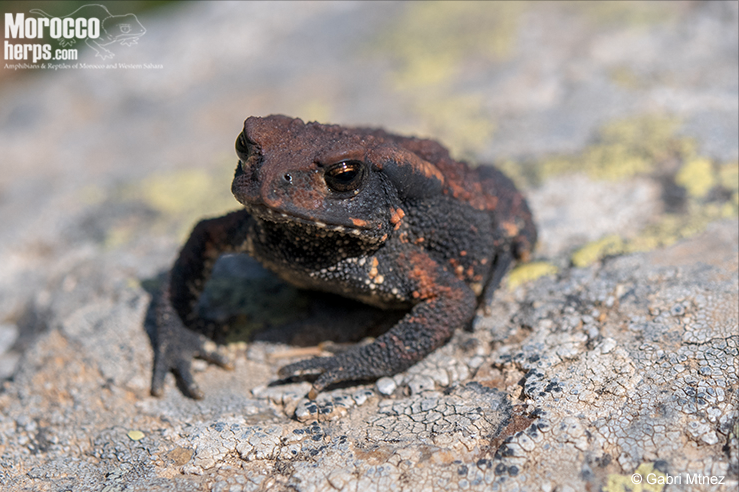
For that reason, I have focused my trips to Morocco specially to the north in the last years. Some species like Vipera monticola saintgironsi, Natrix astreptophora soumiafahdae or Alytes maurus for example are slowly disappearing, whereas other species like Daboia mauritanica, Malpolon monspessulanus, Hemorrhois hippocrepis or Sclerophrys mauritanica are expanding distributions.
For my 43 years birthdays, my wife would take care of our kids, so I would have the chance to visit Morocco for a weekend. After the Thailand trip I had not many holidays so it would be an express trip. Ryanair flights are incredibly cheap from Spain to north Morocco but I always prefer to cross the Strait of Gibraltar by boat. By that way you don´t need to rent a car, and you can keep lot of stuff (tent, rope ladder, sleeping bag, etc…).
Donaire recommended me to cross via Tarifa-Tanger Ville, that is faster than Algeciras-Tanger Med Port. So, on Friday June 12th I drove at midday to Tarifa to take the boat. In Tarifa the wind was 120kms/hour, so the port was closed, with all departures cancelled for that day. So finally, I had to return to Algeciras, change the boat tickets and get another boat, because Algeciras is much slower, but climatic conditions don´t cancel the trips. Although of the wind, there were some dolphins playing with the waves produced by the boat.
Finally, I arrived Tanger Med in the evening, passed the police control and drove in Morocco again. In the Port I could get Moroccan money and get a SIM card.
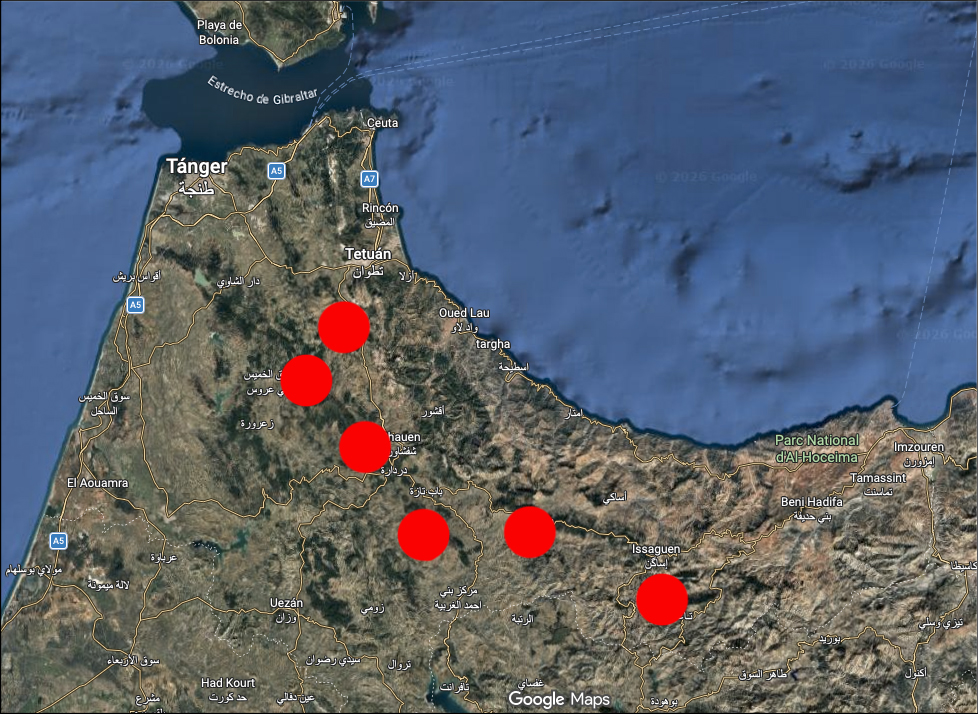
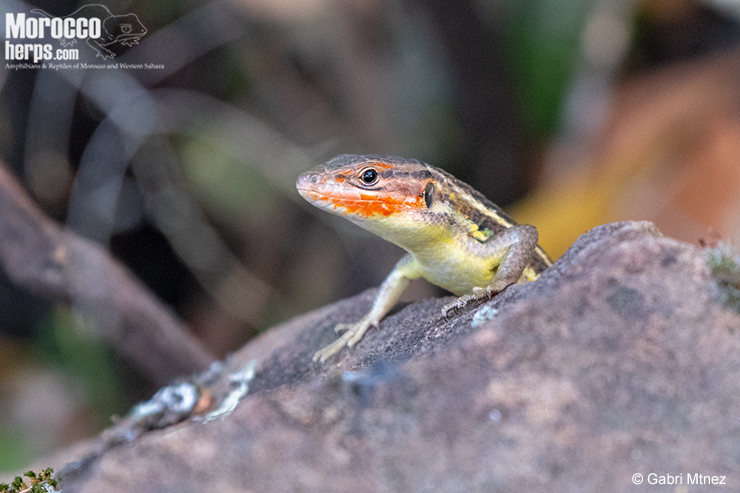
I tried to reach a forest close to Chefchaouen. In the meantime, I saw a Circaetus gallicus attacking anything in a hill. However, I checked the surroundings and I didn´t see anything. Probably the eagle was fighting with a large Malpolon monspessulanus or Hemorrhois hippocrepis inside some small palm tree group.
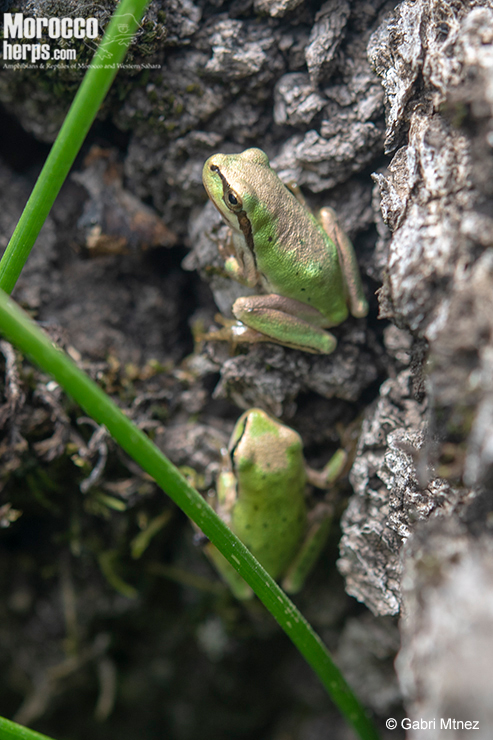
In the forest the temperature was perfect, 23 degrees. Some Psammodromus algirus were active, and a subadult Malpolon monspessulanus disappeared fast in a grass patch. In a small water pond, there were plenty of small Hyla meridionalis and flipping a piece of wood I could see a Chalcides colosii.
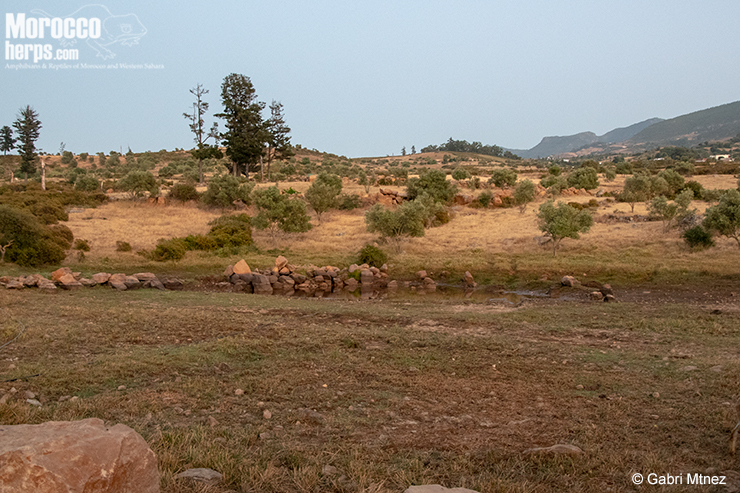
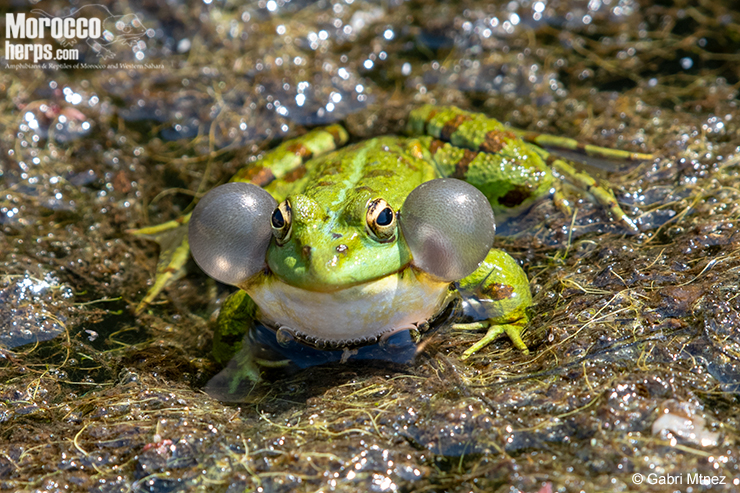
I moved to another water pond around Derdara and found hundreds of small and big Pelophylax saharicus. Flipping stones, I could find my first 4 Pleurodeles waltl of the Rif mountains. Also, a small rodent and a Natrix maura.
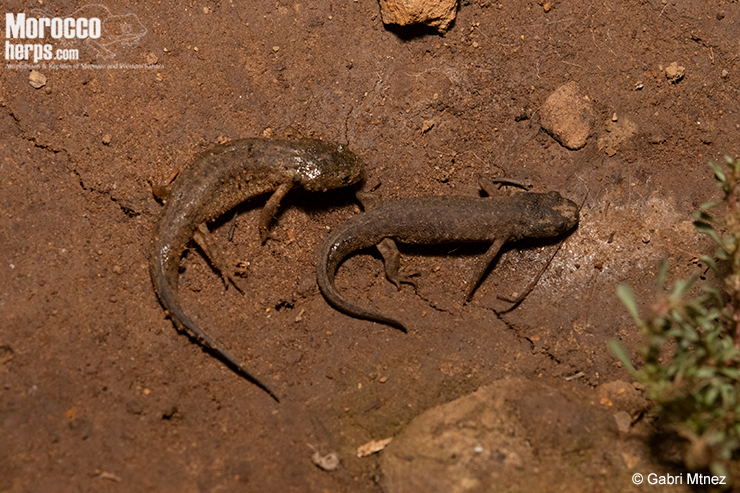
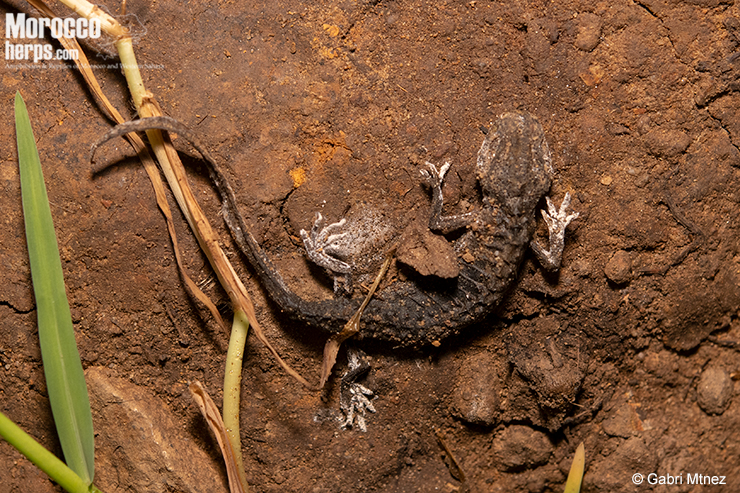
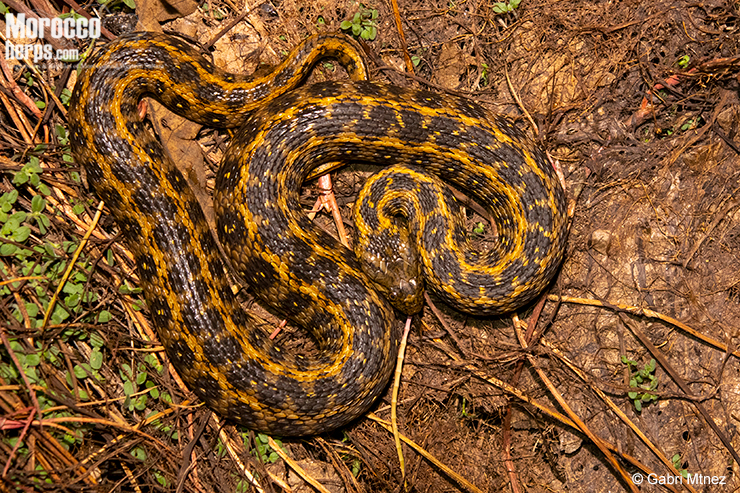
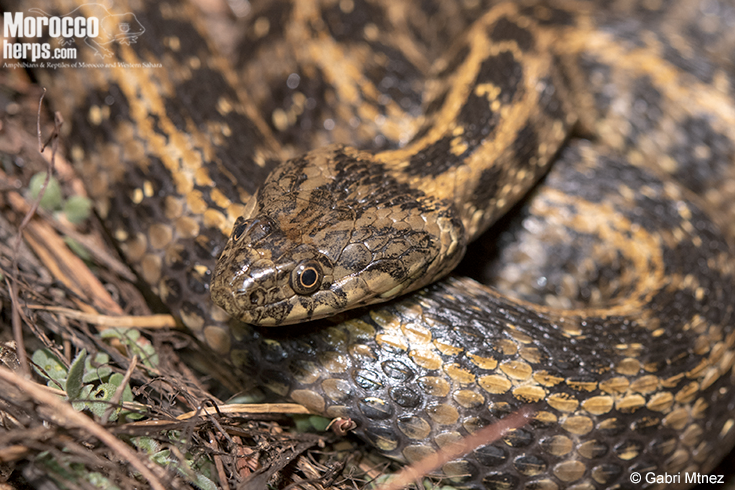
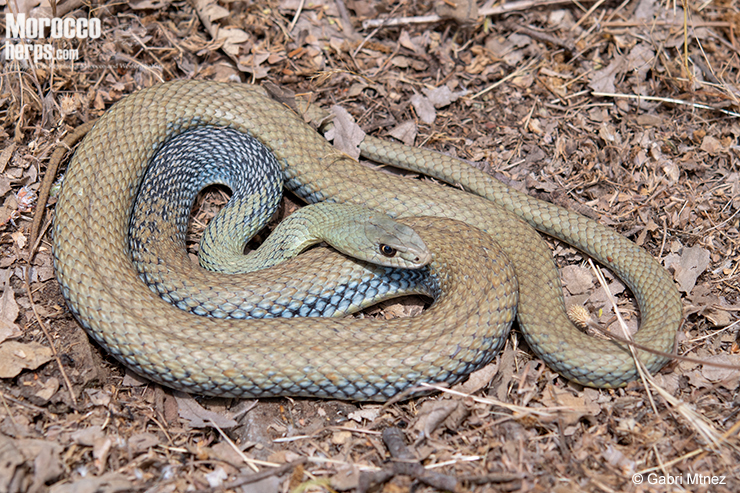
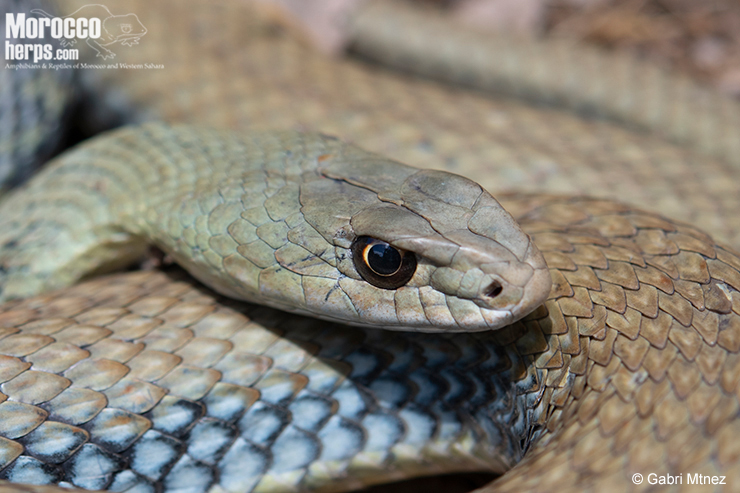
It was already night when I visited the third spot around Bab Taza. It was very windy and temperature around 18 degrees, so I moved with the torch to the edge of oak forest with many ferns. There were no stones to flip so I just walked around and found some Pelophylax saharicus when I almost put my right feet in a large Daboia mauritanica, that was ambushing. It was a crazy moment. I had no tongs or gloves, and my heart was beating extremely fast. After 5 seconds of peace, the viper suddenly jumped down to escape in the ferns but finally I got to retain it for some minutes to take some pictures and enjoy its presence. In the first minute the viper was very aggressive, but after that, it was extremely relaxed in front of me. And after a few photos, it moved to the ferns, and I hope later it will continue ambushing for the rest of the night. The only animals that I saw around the viper were big frogs, but I think amphibians are rare prey in the genus Daboia, so I suspect that it would be more focused on rats or mice that could come at night for water.
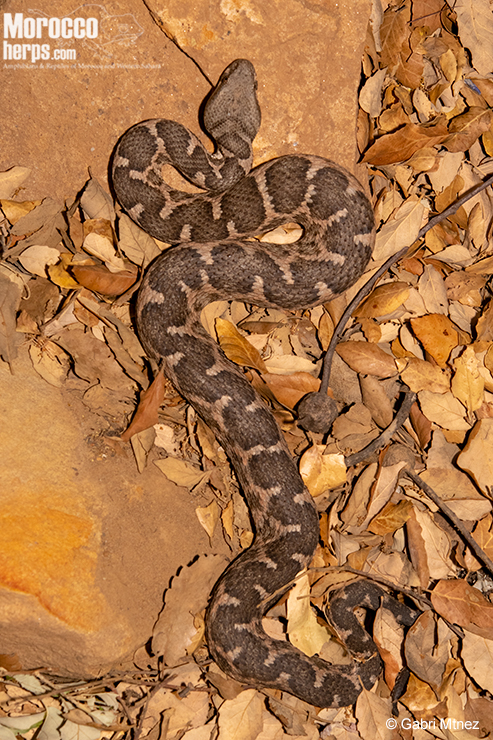
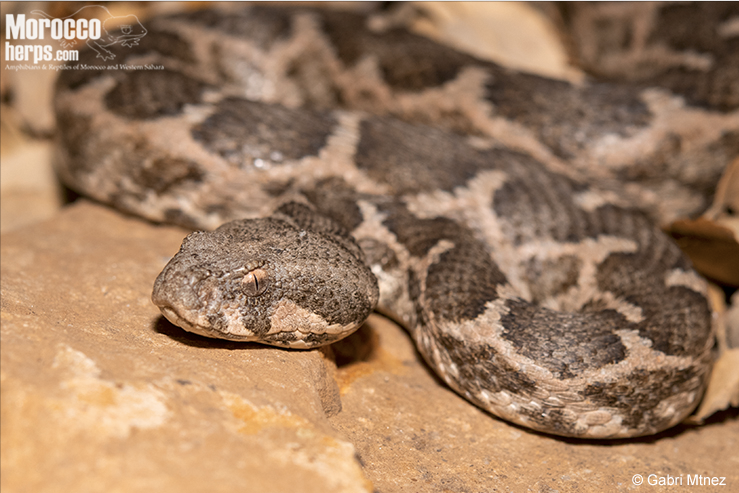
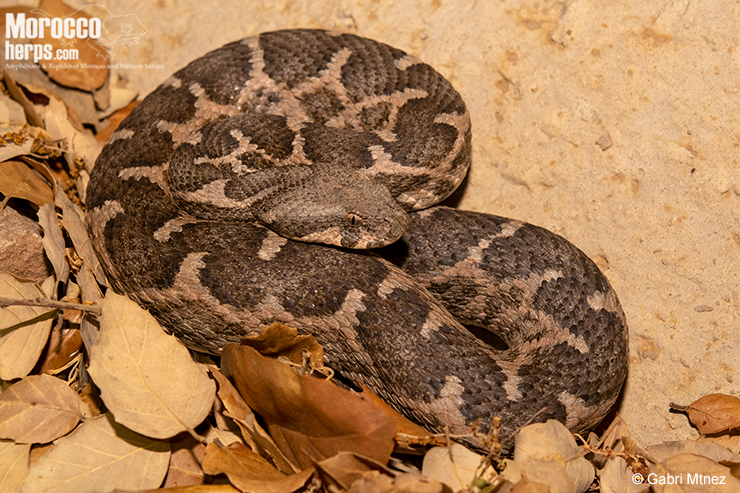
After that unforgettable experience (my first Daboia mauritanica in north Morocco), I moved to a known lagoon. There was just a very small water pond now in June, and there was an owl Strix aluco mauritanica sitting around the water, not sure if it was drinking or hunting some of the hundreds of frogs (Pelophylax saharicus and Hyla meridionalis) or Viperine Snakes (Natrix maura).
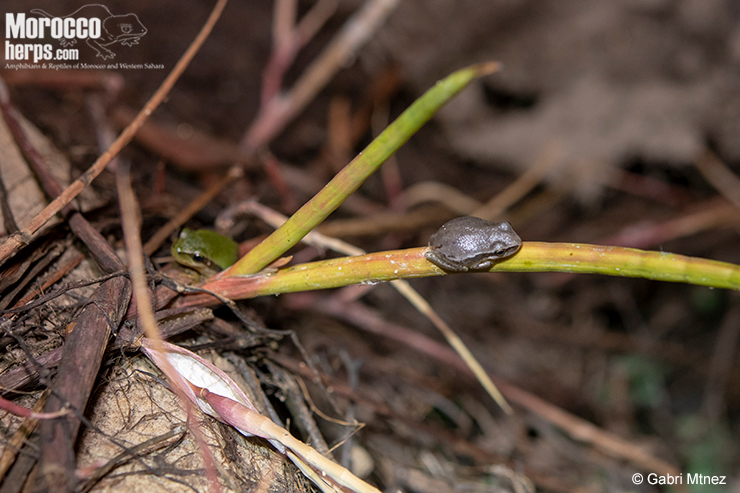
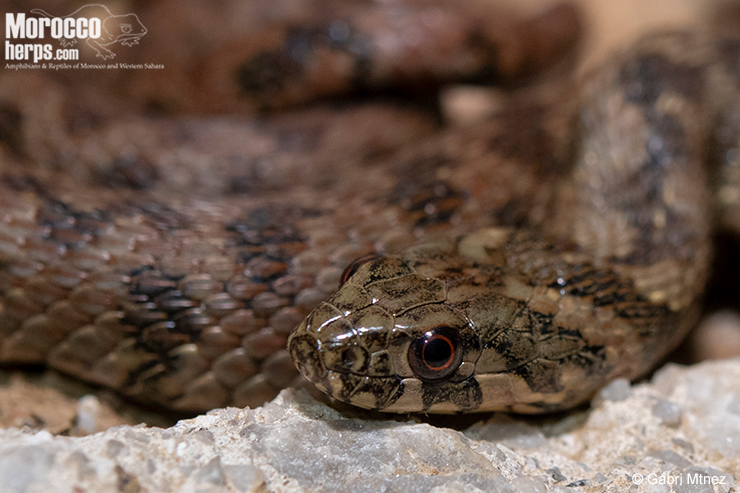
It was 2.30h in the night so I moved to a calm place to sleep. There was a small water pond with Sclerophrys mauritanica and Pelophylax saharicus calling, the perfect sound for sleeping.
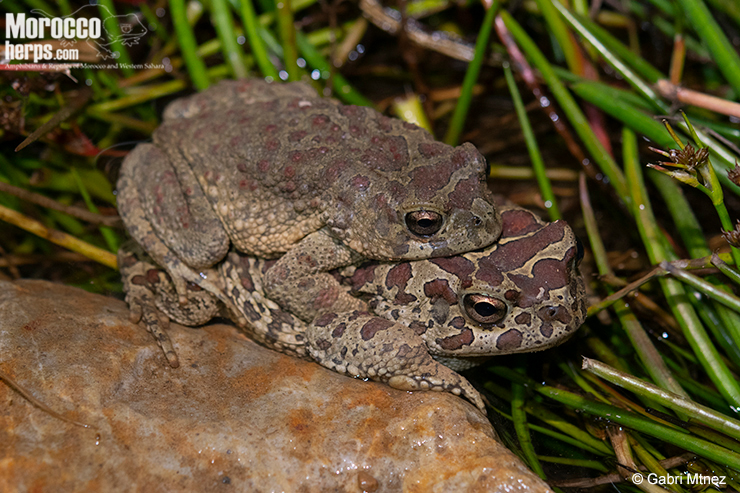
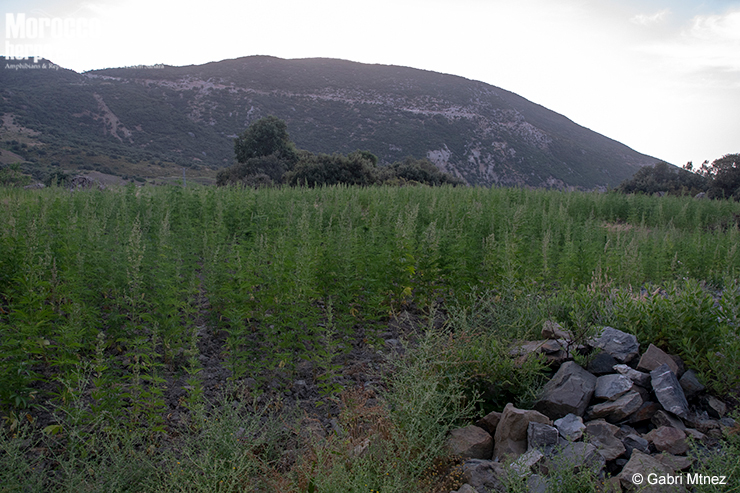
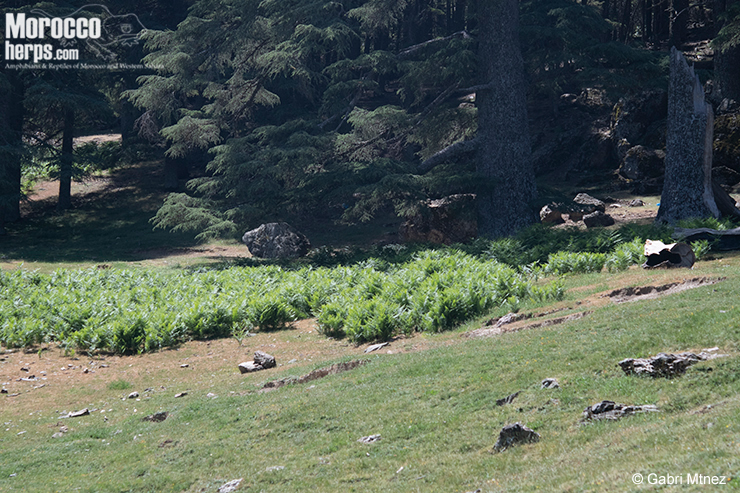
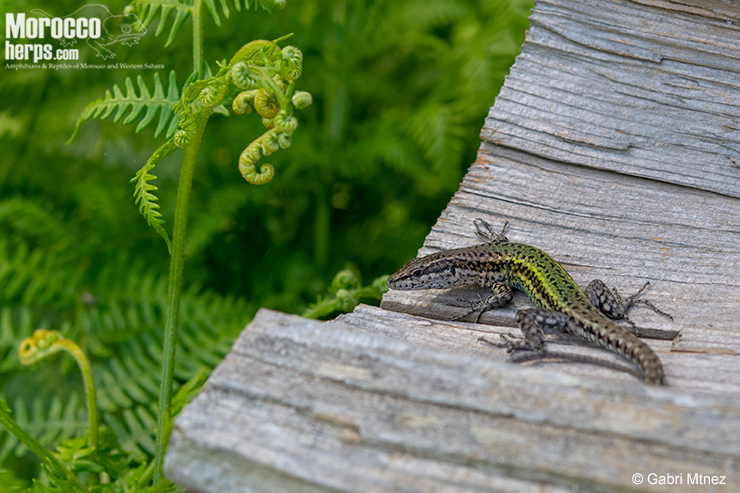
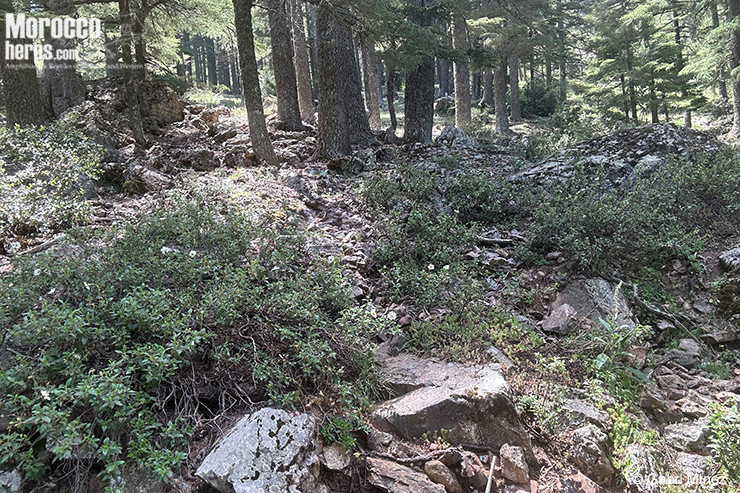
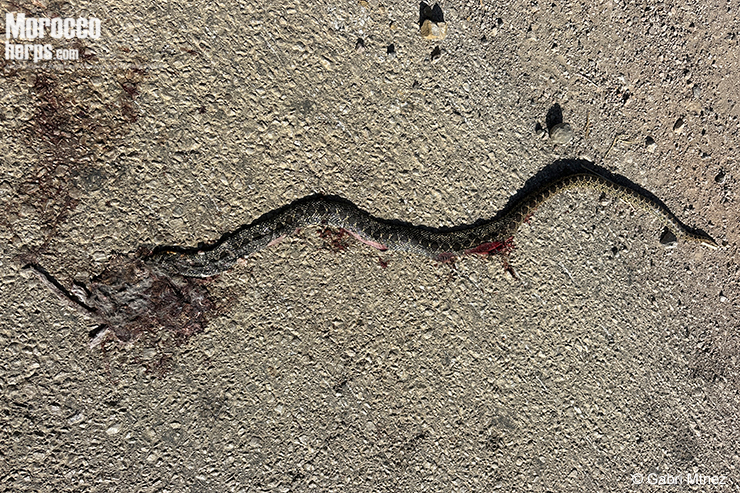
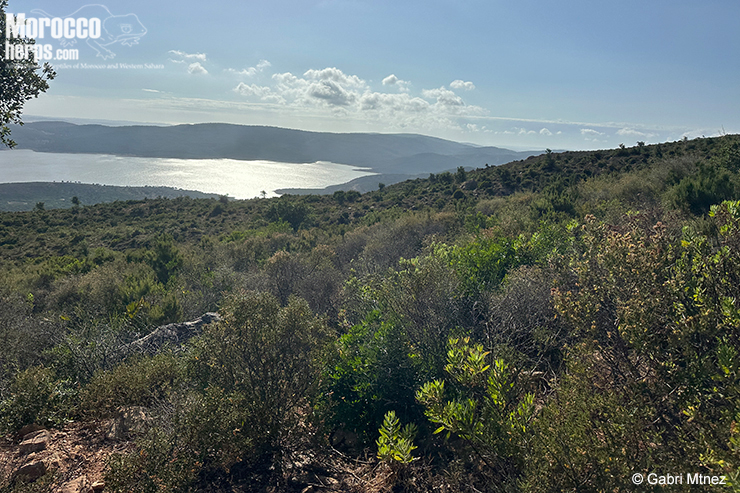
I woke up at 7.30h with the first sun rays and moved to another lagoon on the way to Bab Berred. The lagoon was around marihuana fields, and I only found some Pelophylax saharicus on the edge of water and a Natrix maura under a rock. I found later a big Malpolon monspessulanus dead on road. I had the idea of trying to drive to a high place and increase chances of finding Vipera monticola saintgironsi. I drove in the direction to Jebel Tidighine but after 1800m of altitude the trail became very bad, so staying alone and without a 4×4, I decided to make a stop in a nice meadow that looked good for reptiles and return. With 23 degrees the moment looks amazing, but I only got to find a Psammodromus algirus and several Podarcis vaucheri.
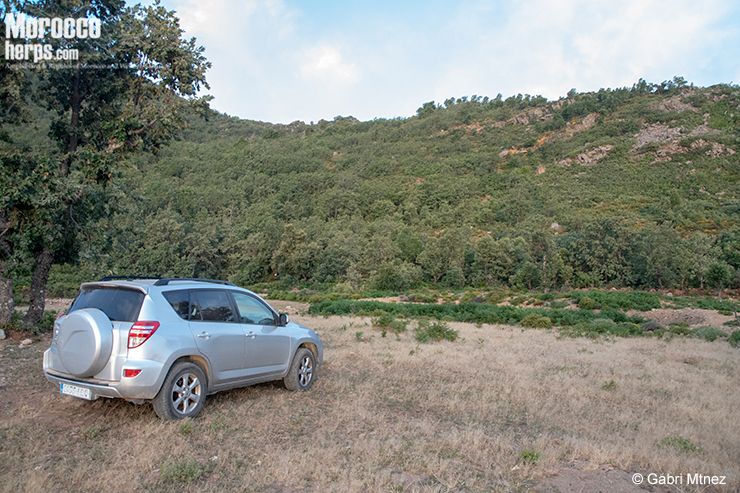
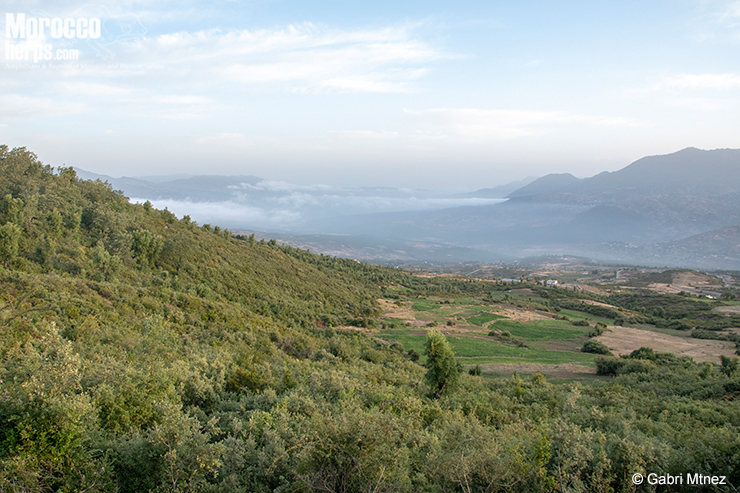
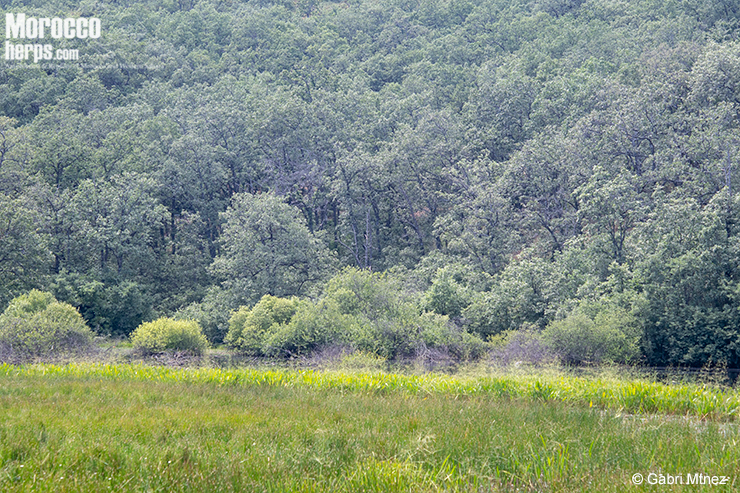
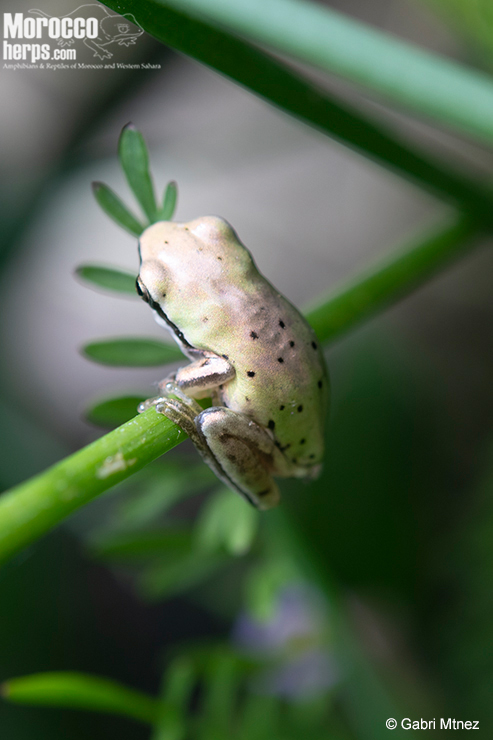
In the return to Bab Berred, I found 2 fresh killed snakes in the road (around a deep forest where I saw Salamandra in the past), a young Malpolon monspessulanus and a large Hemorrhois hippocrepis. The temperature around Bab Berred was higher, with 28 degrees and some clouds. I stopped in a lagoon and found a very nice male Malpolon monspessulanus, and in a grassy area close to the lagoon hundreds of young Hyla meridionalis of many different colors. Flipping stones there were more and more Hyla meridionalis and dozens of young Natrix maura. In the first trips to the Rif, I had “bad experiences” with some drug dealers that harassed my car until I stopped to try to sell my hashish. I had to stay 10 minutes to convince them that I don´t like that. But in this trip, there was not a single person trying to sell me drugs. I am not sure if the changed to a more relaxed selling procedure, or maybe I look older now (and with a crazy herper aspect).
Oscar and Miki were in southern Morocco since the week before and I would meet them so I moved west to make them easier the way.
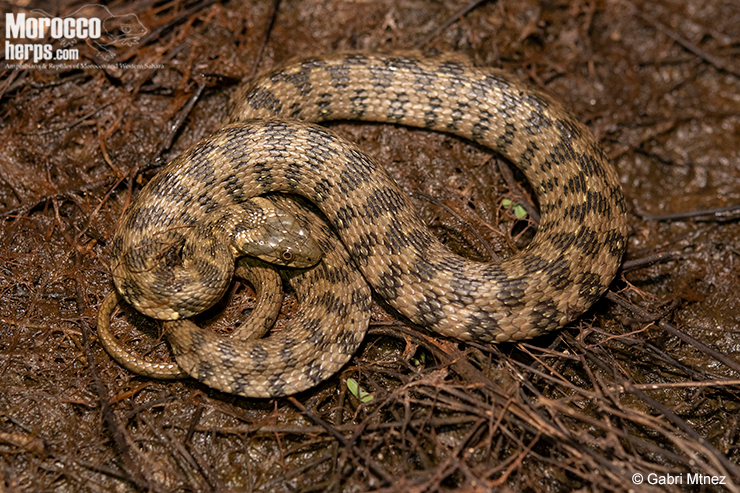
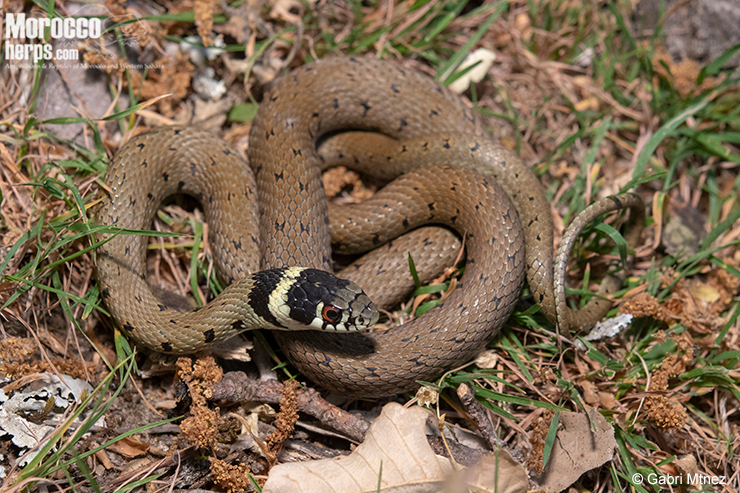
In the next stop it was already late, and I visited a small water pond that was completely dry now in June. However, I flipped some stones and found small Salamandra algira, so it seems there was humidity there, and I found a couple of Chalcides colosii, a Natrix maura and under a big stone I was lucky to find my seventh Moroccan Grass Snake Natrix astreptophora soumiafahdae. European herpers usually don´t care too much about Grass Snakes because they are common snakes in many areas of central Europe, but in Andalusia they are rare and in Morocco extremely rare. For me they are amazing. One of the main reasons to visit North Morocco is to try to find them. Like Vipera monticola saintgironsi, they were probably much more common in the past, and they are becoming rare and rare. For example, nobody took photographs of an alive large female of Natrix astreptophora soumiafadhae (over 1 meter size) since Mario Schweiger 40-50 years ago!! I took few photos of the Moroccan Grass Snake and left the place because I received over 100 mosquito bites.
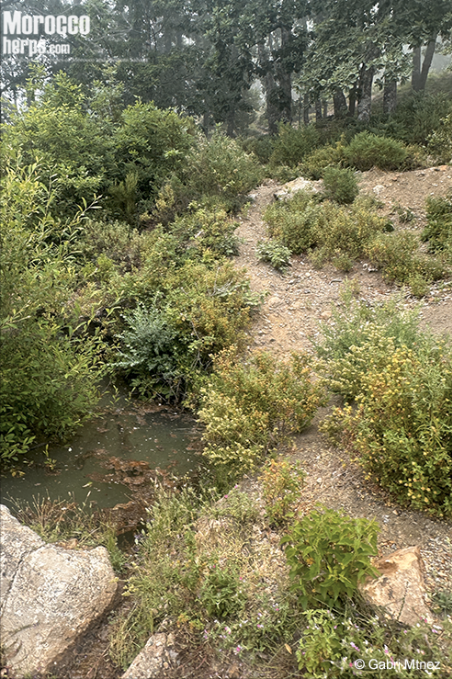
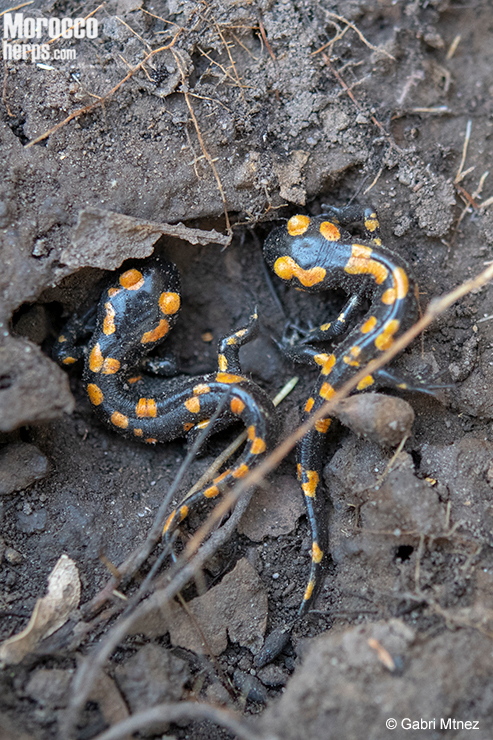
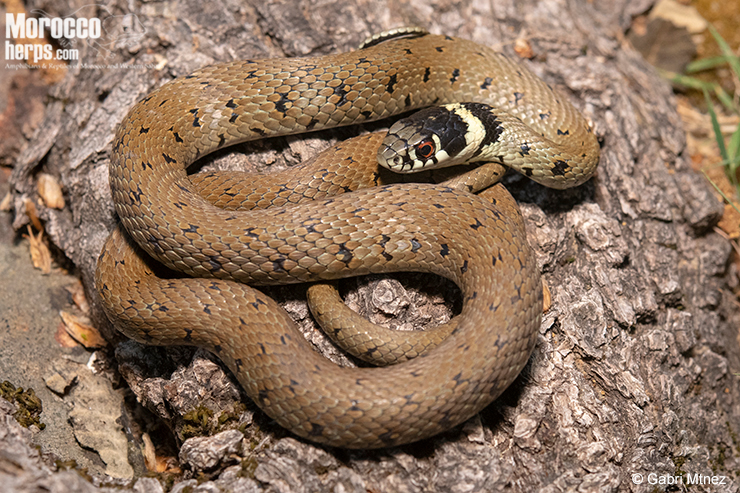
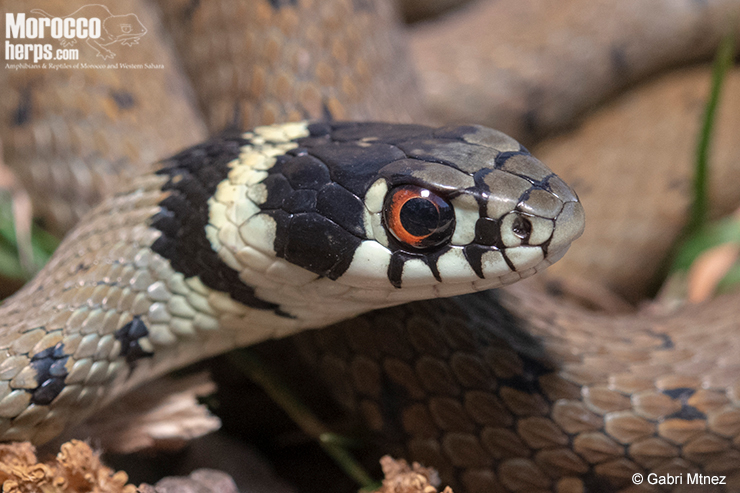
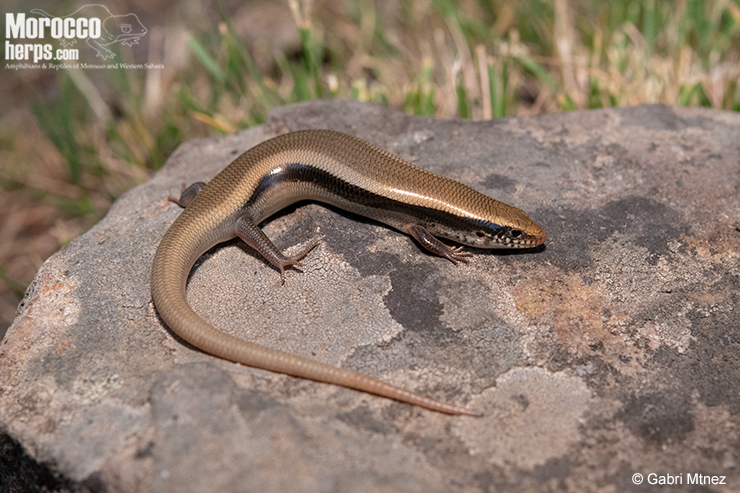
I continued driving to the Moulay Abdeslam area and found only more Natrix maura, Sclerophys mauritanica and Hyla meridionalis. Temperature was cold so finally I visited a local restaurant to eat good food after 28 crazy hours surviving with cookies and “fuet”.
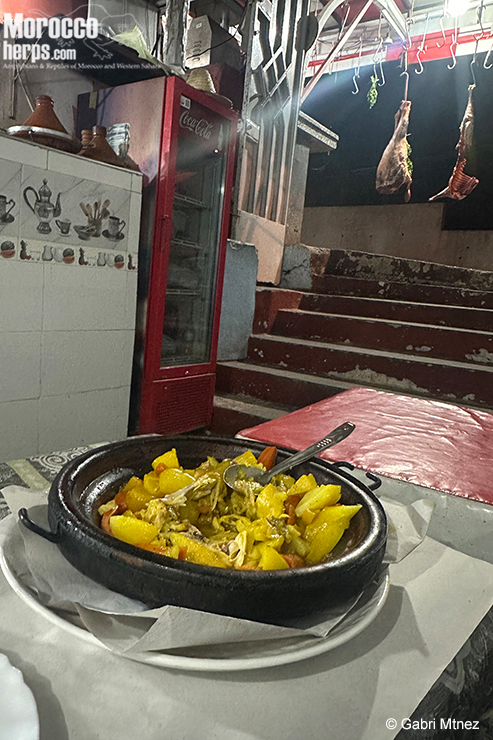
I moved to a calm place to sleep, waiting for Oscar and Miki, that were on their way from Guelmim in an almost nonstop 11 hours driving.
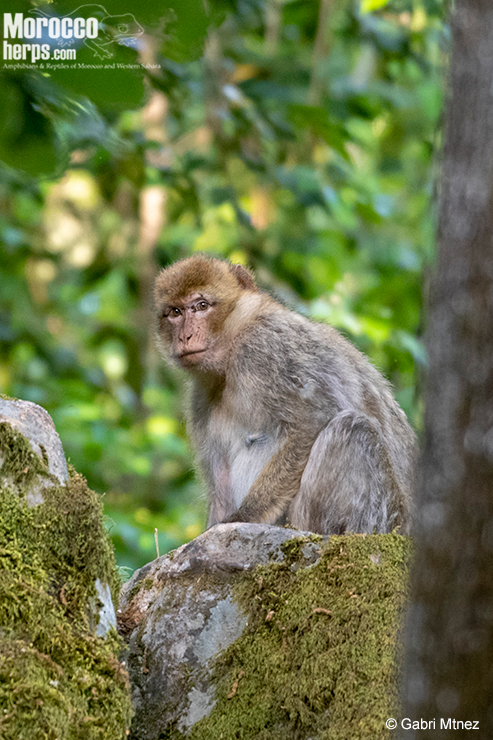
Monkeys and birds woke me up at 6.00h with the first moments of light. I moved to a fountain to clean my face and get internet and received the message of Miki. They finally stopped sleeping but they would meet me at 9.30h.
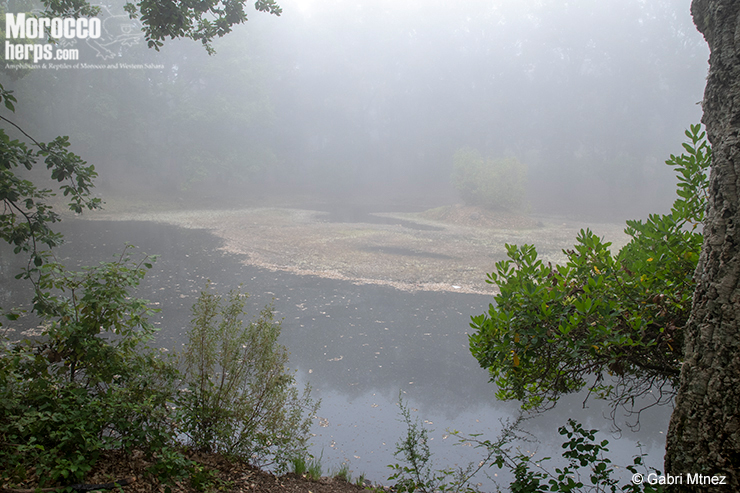
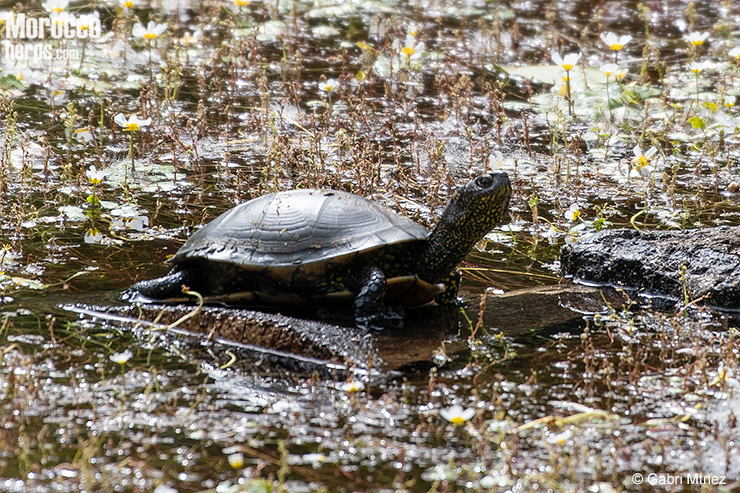
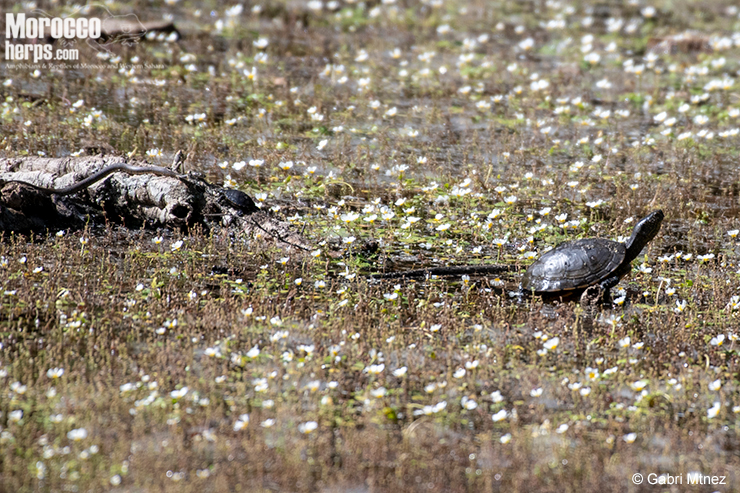
Waiting for them, it began an intense fog. I met the guys, and we enjoyed a lot with their stories of Guelmim and how they finally found an adult Naja haje. We did a short walk and finally the sun appeared. After few minutes a lagoon had several Emys orbicularis and a Natrix maura basking.
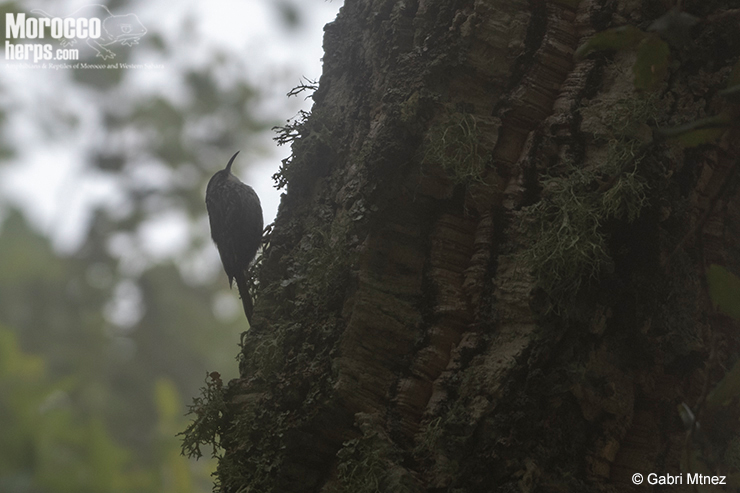
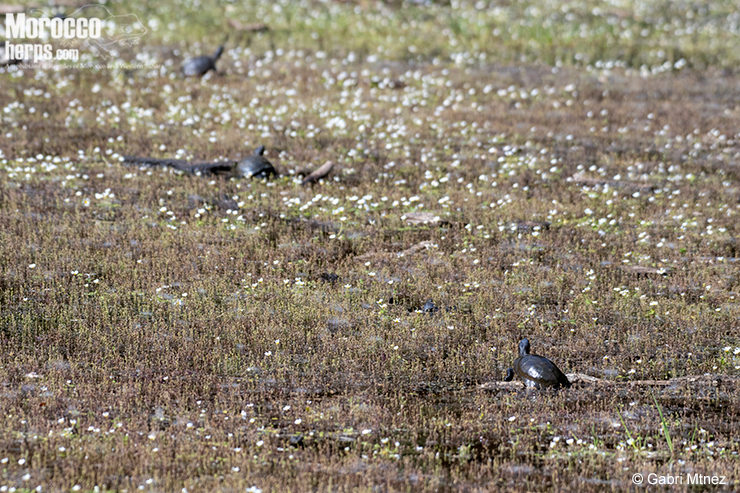
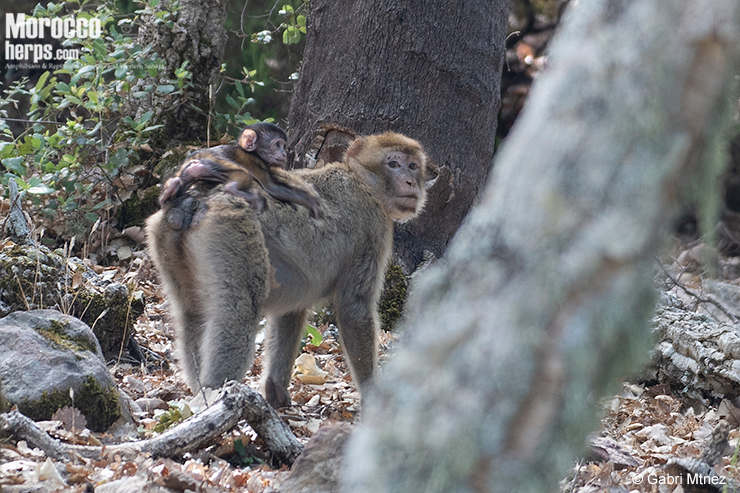
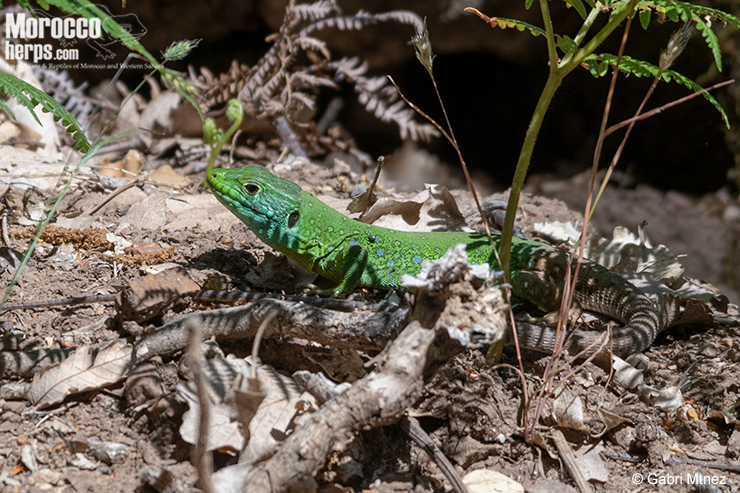
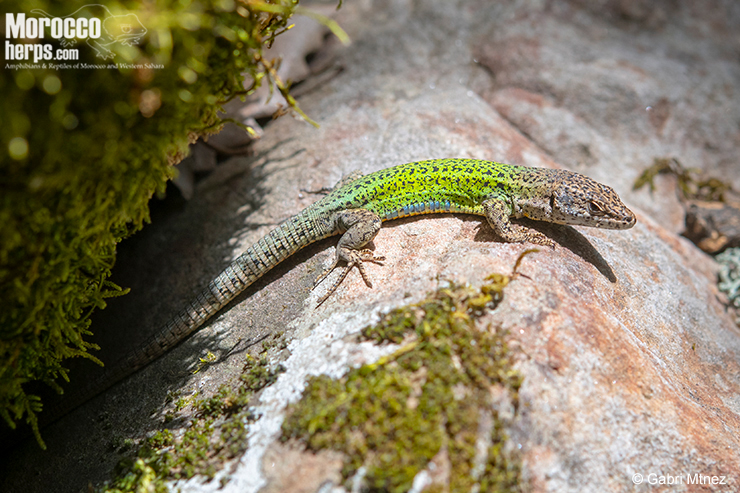
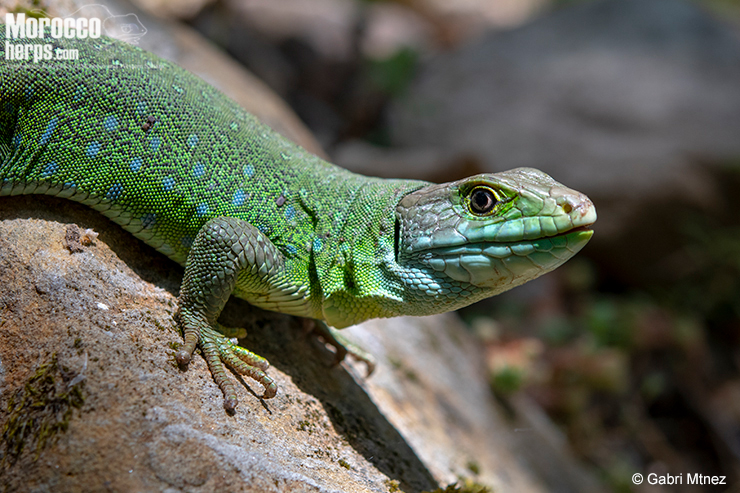
We did another walk and found many monkeys and some amazing lizards (Psammodromus algirus, Podarcis vaucheri and Timon lepidus), and in a river we spotted several Mauremys leprosa, a Natrix maura and a Natrix astreptophora soumiafahdae shed. It was already midday, and we moved to a restaurant to get some food when we found a dead in snake in the road, it was a young Natrix astreptophora soumiafahdae. It seems like in the past, most records of Moroccan Grass Snakes were in the Middle Atlas, and in the last years there are no records in that chain anymore (except one killed by locals and DOR specimen found by CIBIO researchers in Jebel Tazzeka) and most of the records were in the Rif Mountains (Soumia Fahd, David Donaire, and in my experience 1 in Chaouen and 7 in Moulay Abdeslam/Bouachem Forest area).
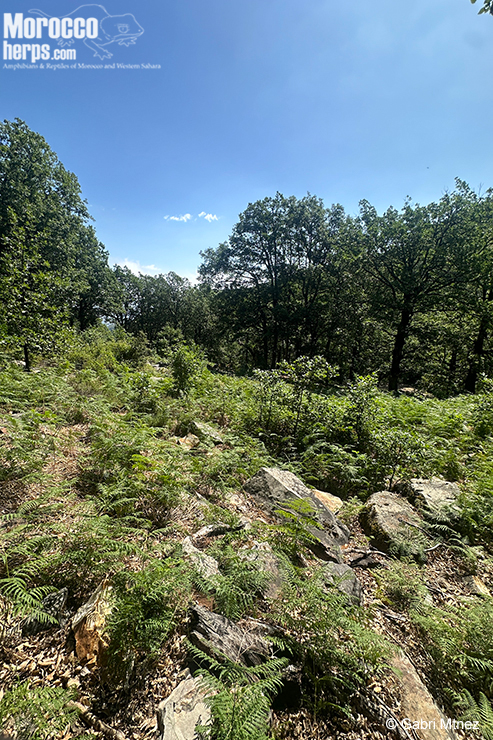
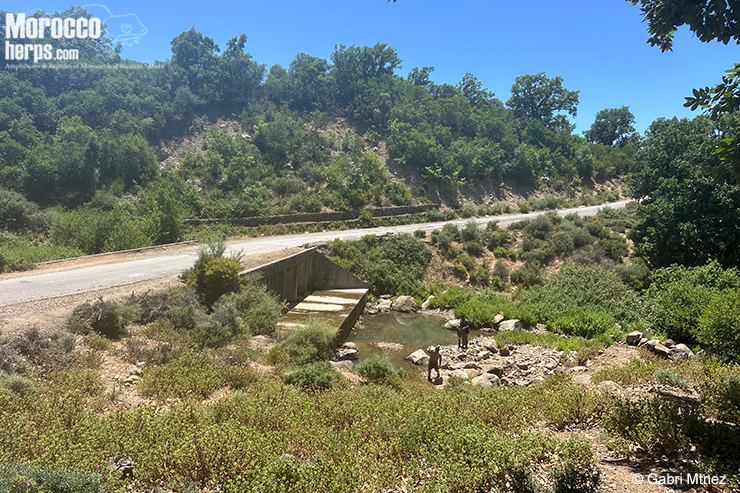
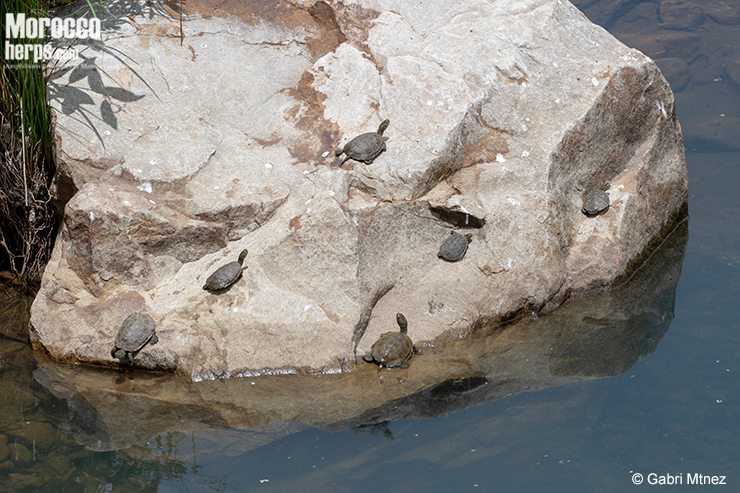
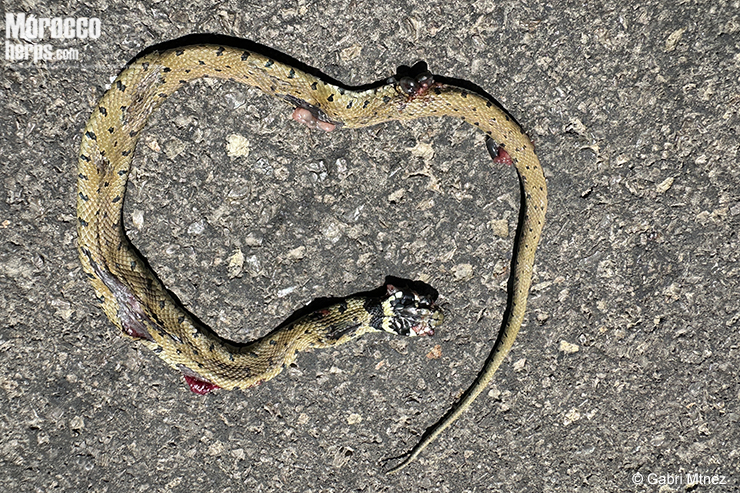
We moved in direction of Tanger and stopped in another small lagoon where we found plenty of Pelophylax saharicus calling and some Emys orbicularis basking.
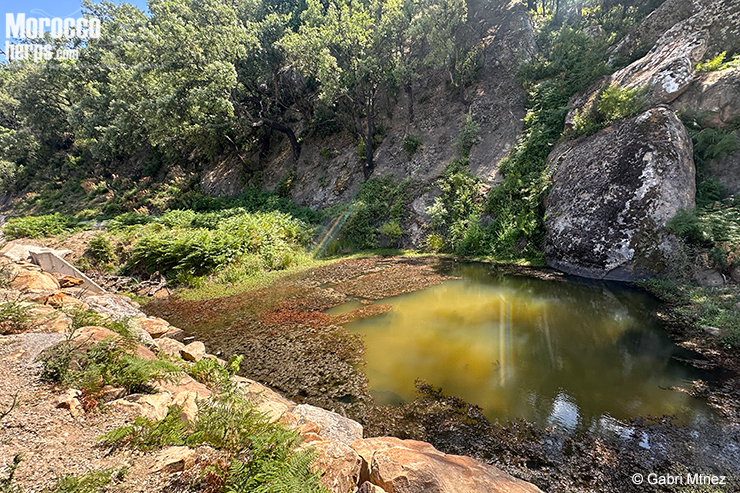
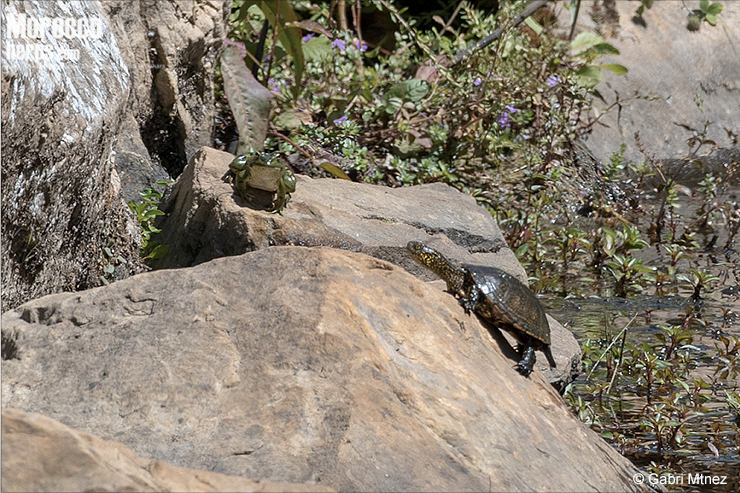
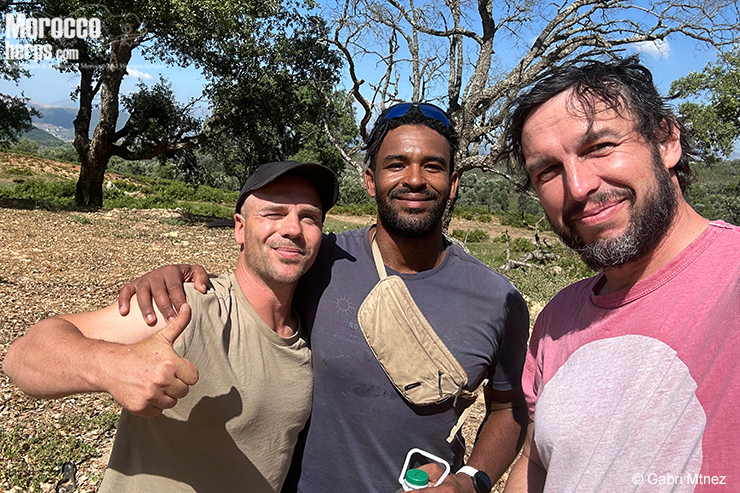
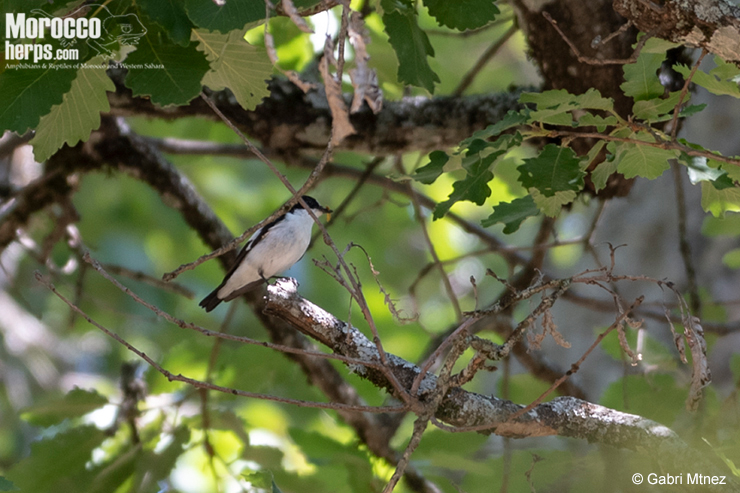
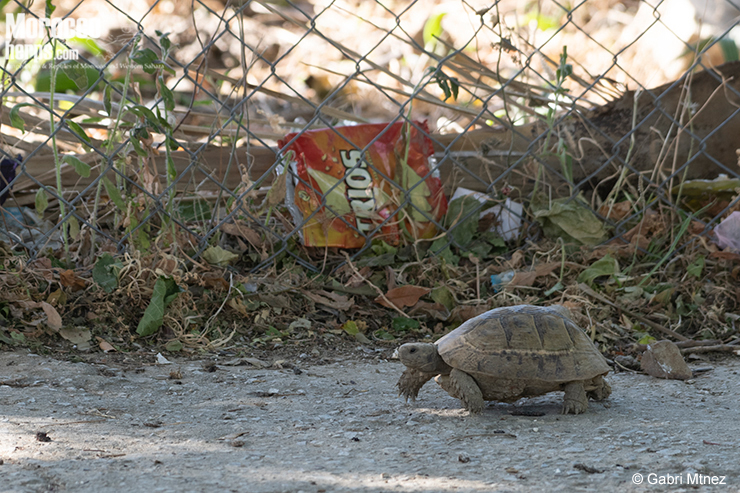
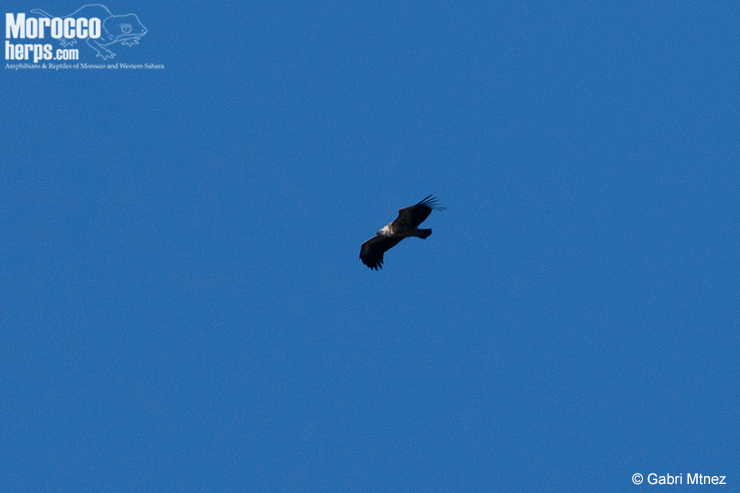
Finally on our way to Tangier we wanted to stop in another lagoon, but the trail was in a very bad status. So, after an Hemorrhois hippocrepis DOR trying to eat a previously DOR rat, some Testudo graeca and our first Vultures (Gyps fulvus) in Morocco, we drove to Tanger Ville Port, that was extremely fast and in 1 hour we Miki and I stayed in Spain. Oscar would stay in Morocco for one day more.
I was a bit more than 48 hours in Morocco that looked like 2 months. It was extremely intense. The people of Morocco are extremely friendly, and I never felt unsafe, even being most of the time alone. It is incredible to have this country so close to my home and I can only think when I will return.